
Political and military highlights of past 24 hours. The dangers for Kyiv of the negotiations in China
1. First Deputy Energy Minister Artem Nekrasov stated that more than 1,000 strikes have been carried out against energy infrastructure since early September, primarily targeting high-voltage substations.
A thousand strikes in two and a half months is a deliberate tactic. russia is acting in a continuous wave that prevents the repair of equipment already damaged. The Dnipropetrovsk and Kharkiv oblasts remain the most vulnerable. Kyiv and Odesa will be russia's main political and logistical targets.
2. On the night of November 19, the Kerch Bridge came under another attack: residents counted at least 15–16 explosions, while monitoring channels reported probable strikes on the railway section. Traffic has been temporarily suspended. This is already the third strike on the crossing in a week.
Kyiv's clear intention to destroy the Crimean Bridge points to Zelensky's attempt to change the negotiating paradigm being imposed by the Americans on Ukraine in talks with russia: shifting from concessions and trade-offs to military pressure. Crimea is becoming putin's logistical and political Achilles' heel. It is no coincidence that this series of strikes against a symbol of putinism coincided with putin's talks with Trump and Xi in China. The patronizing tone Trump used when speaking to putin, as well as Washington's lack of criticism of the strikes on the bridge, show that the White House is deliberately using the awkward position of russia's leader to pursue its own goals. However, these goals extend far beyond the war in Ukraine, and time will tell how closely they align with Ukraine's interests. If Kyiv's strategy of isolating Crimea continues and does not encounter resistance from Trump, this will mean a change in Ukraine's position at the negotiating table. If the strikes on the bridge connecting occupied Crimea with russia stop after the meeting in China, this was merely an operational move aimed at resolving specific tactical problems, most likely with the active or passive consent of the United States.
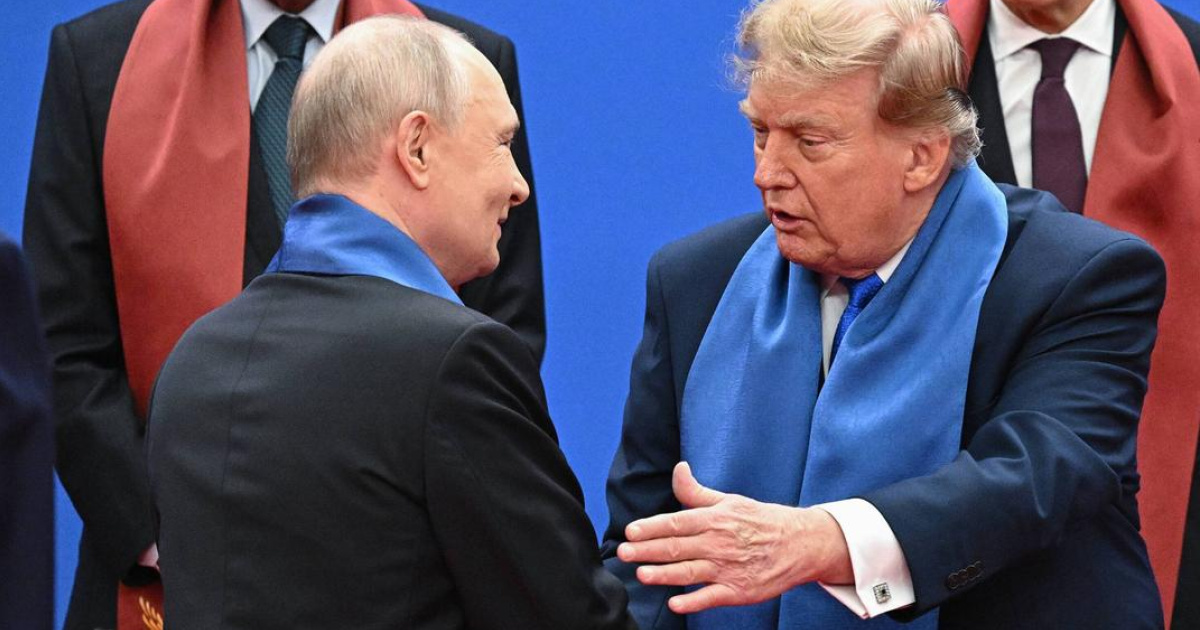
3. On November 18, Xi Jinping personally welcomed Donald Trump at Shenzhen Airport, after which Trump, Xi, and putin exchanged handshakes ahead of the APEC summit's welcome banquet. Xi and putin held separate talks, during which, according to Dmitry Peskov, they discussed the war against Ukraine. This was followed by a 40-minute conversation between Trump and putin. A meeting between Trump and Xi, as well as a trilateral format, are scheduled for November 19. Kremlin aide Yuri Ushakov suggested that the Ukrainian issue might be raised, although the agenda has not yet been finalized.
Meanwhile, according to Axios, Witkoff and Kushner will hold talks in Berlin on November 19 with Ukrainian and European representatives on security guarantees and post-war reconstruction, timed to coincide with the Coalition of the Willing summit. In an interview with NBC News released overnight on November 19, Zelensky stated that Trump and Xi could stop putin literally in a single meeting if they wanted to, simply by threatening sanctions and an end to trade.
The danger for Kyiv of the negotiations in China is that the fate of the war is being discussed at a venue where Ukraine is absent, while putin is participating as an equal member of the "big three" for the first time in a long while. Moreover, Ukraine will clearly not even be the objective there, but rather a bargaining chip. China's position is encouraging, as Beijing has no interest in strengthening russia or bringing it closer to the United States, so it will most likely maintain the status quo regarding the war in Ukraine. However, this does not rule out the possibility of tactical agreements on Ukraine at the bilateral level, both between Trump and putin and between putin and Xi.
The Berlin track on security guarantees is an attempt by the Europeans and Kyiv to ensure that any possible deal in China remains within the framework of their united position, which both Trump and Xi will have to take into account.
4. The European Commission has proposed a €45 billion loan to Ukraine for 2027: up to €20 billion in general budget support and up to €25 billion in military assistance. Kyiv will repay the principal amount only after receiving war reparations from russia. At the same time, the EU reserves the right to repay the loan using frozen russian assets. The amount covers approximately two-thirds of Ukraine's projected funding deficit for 2027, estimated at €70 billion. Both the loan itself and the amendment to the EU's long-term budget require approval from member states. The day before, Hungary and Slovakia stated that they would not participate in military funding for Ukraine.
The key aspect of the European Commission's proposal is not the amount but the structure: moscow would be responsible for paying the bill, while Kyiv would incur no debt burden until then. This addresses the main objection raised by EU skeptics, but the proposal faces the requirement of unanimity for the budget amendment. In other words, Brussels will have to change the positions of Budapest and Bratislava. If the mechanism is approved by the end of the year, Ukraine will receive predictable funding a year in advance for the first time and will no longer depend on quarterly political bargaining.
5. Iran has expanded the geographical scope of its attacks on neighboring countries: the IRGC struck Kuwait and targets in Bahrain. Meanwhile, oil prices fell on November 18 as U.S. crude oil inventories increased.
The drop in oil prices on November 18 amid rising U.S. inventories shows that the market has already grown accustomed to the risks surrounding the Strait of Hormuz, meaning that the windfall revenues moscow is counting on are unlikely to materialize. This is still far from the cheap oil prices seen before the U.S. war with Iran, but back then Ukraine had not yet begun systematically destroying russian oil refineries...