
Political and military highlights of events over the past 24 hours. Is moscow using Melania Trump to prepare an offensive on Kherson?
1. A russian jet-powered drone attacked people on the platform of the railway station in Dnipro, where a suburban train and a passenger train were standing at the time. Fourteen people were killed. Chernihiv city center was also struck (two 15-year-old girls were killed). In Kremenchuk, a drone hit an apartment building (three people were killed). Kyiv was attacked with ballistic missiles in the evening. On the morning of October 30, the capital came under another attack, this time involving jet-powered drones.
Terrorizing Ukraine’s civilian population has become moscow’s main strategy amid its failures on the battlefield. At the same time, due to the sheer scale of these attacks, they have become part of the background noise and provoke almost no international response. Meanwhile, russians are striking infrastructure essential to the daily lives of civilians — energy facilities and public transport. This is clearly intended to shift Ukrainian public opinion toward accepting territorial concessions. And, as polling shows, this strategy is working, particularly in regions that suffer more than others because of their proximity to the frontline. Accordingly, the number of attacks will increase.
Furthermore, this strategy raises the economic cost of the war for Ukraine. Political and financial uncertainty in Europe ahead of elections there in 2027, combined with rising global oil prices, is encouraging putin to continue his war of attrition.
2. In russia, the Novokuibyshevsk oil refinery was ablaze on the morning of October 30 following an attack. The strike came after The Wall Street Journal published an investigation on October 29 claiming that the Ukrainian army had temporarily halted attacks on russian oil refineries. The WSJ linked Kyiv’s decision to concerns about losing U.S. military and technical support following the crisis over Starlink and weapons supplies. Reuters also published data yesterday showing that moscow had increased its export quotas for russian diesel fuel fourfold, a move directly linked to the agreement between moscow and Washington on supplying russian diesel to the U.S. market.
The strike on the russian oil refinery could be interpreted as Zelensky putting pressure on the United States to unblock the supply of U.S. anti-missile systems to Kyiv through European partners, following a series of russian attacks on civilians that caused numerous casualties. Such a move also raises the stakes ahead of future negotiations between Ukraine, the United States, and russia.
3. On October 29, the General Staff of the Armed Forces of Ukraine confirmed a strike on the Marinovka airfield in the Volgograd oblast, where two Su-34 bombers were destroyed. A long-range version of the Neptun coastal missile system was used to hit the targets.
The Ukrainian-developed “Long Neptun” makes it possible to reach airfields deep inside russia without Western missiles or political approvals. Kyiv is becoming less dependent on foreign authorization for such strikes. However, the issue comes down to the number of Neptun missiles Ukraine has at its disposal.
4. Bild reported that moscow is using the ceasefire linked to the humanitarian mission in Oleshky, which expires on November 1, to prepare an offensive on Kherson.
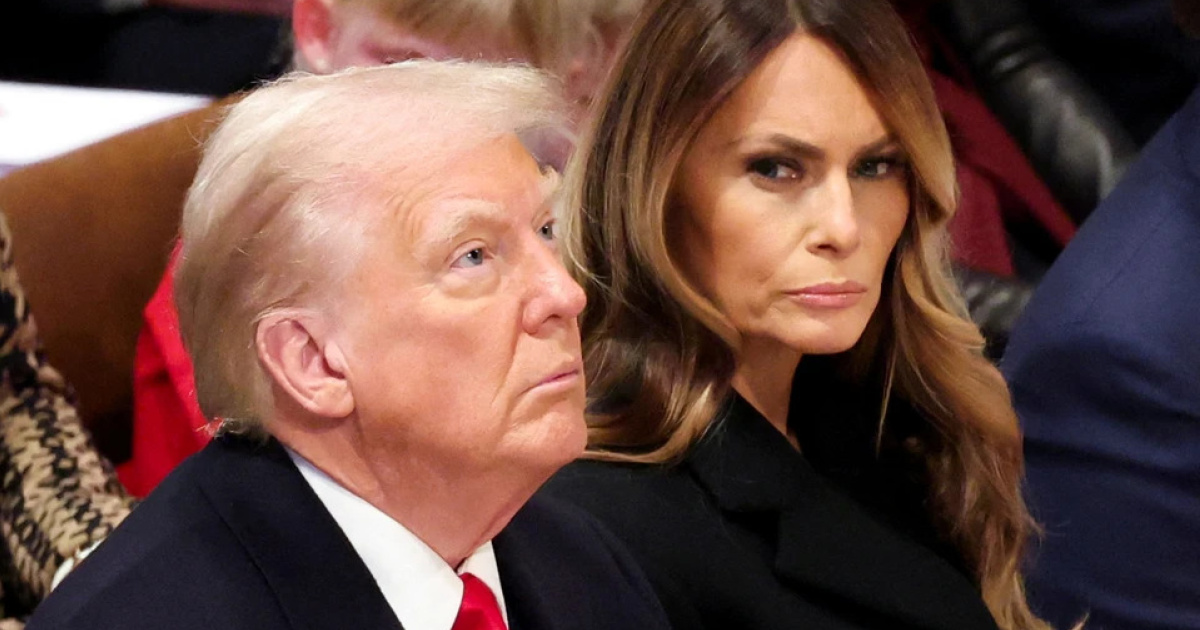
By agreeing to a humanitarian initiative under Melania Trump’s auspices on the eve of the U.S. elections, the kremlin not only helped Trump in his election campaign but also used the ceasefire to regroup its troops. This gives it military advantages for an offensive on Kherson and a new “bargaining chip” in future negotiations with Ukraine.
5. The National Bank of Ukraine raised its key policy rate to 16.5%. The decision was explained by a “significant increase in price pressures and a deterioration in inflation expectations”. The inflation forecast for 2026 was raised from 10% to 12.5%.
A 16.5% policy rate against inflation of 12.5% is a consequence of the fact that the war is now affecting not only the state budget deficit but also market prices directly. russia’s strategy of economically exhausting Ukraine is working and is becoming an independent component of russian military strategy.
By Serhii Harmash, editor-in-chief of OstroV