
Political and military highlights of the events of October 7 in Ukraine and around the world. The more talk there is about negotiations, the more deaths there will be in Ukraine
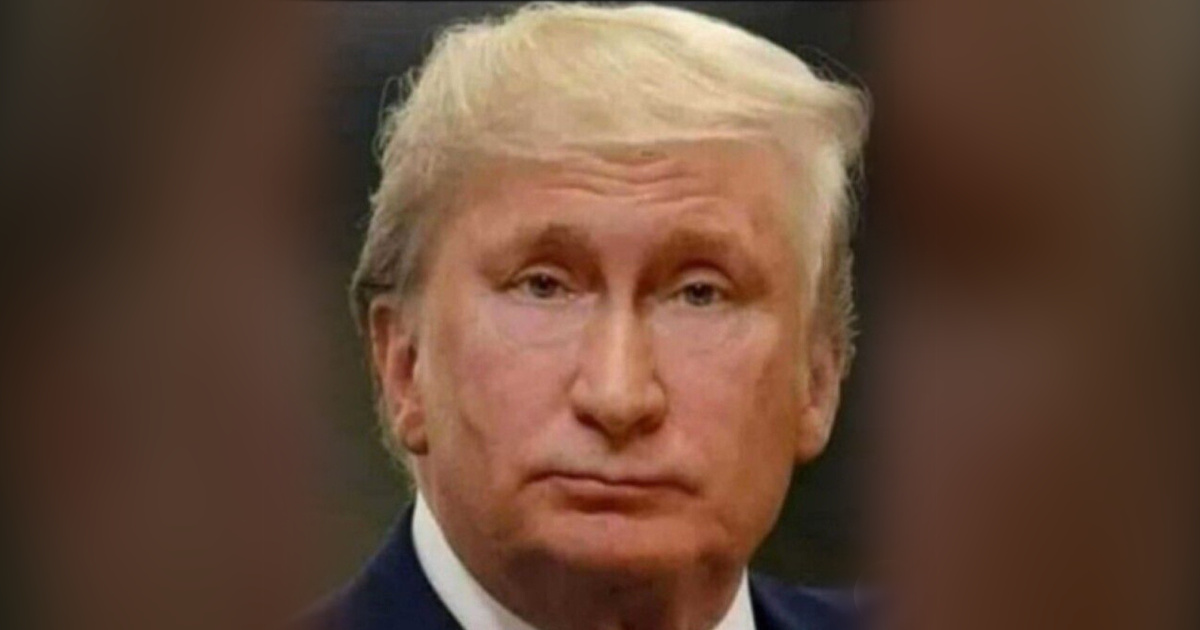
1. On the night of October 7 and during the day, russia launched one of the most massive combined strikes on Ukraine since the beginning of the full-scale war, timing it to coincide with putin's 74th birthday. According to aggregated data from the Ukrainian authorities, at least 28 people were killed and more than 138 were injured over the course of 24 hours. Zelensky said that energy infrastructure was one of the key targets. Restriction schedules were in effect around the clock.
The demonstrative strike precisely on putin's birthday shifts it from military logic into political logic. This is feeding the vanity of russians, who need to feel the power of their country against the backdrop of its economic and geopolitical degradation. And it is also a signal to the West and Ankara: no negotiating initiatives limit the kremlin in its choice of targets and achievement of objectives. On the contrary, negotiations encourage an escalation of aggression in order to secure more advantageous positions in them. The more talk there is about peace, the more deaths there will be in Ukraine. Because talk of peace shows the kremlin bastard the opponent's need for peace, that is, the weakness of the West and Ukraine. The strong do not ask for peace, they talk about victory!
2. According to the Ukrainian Air Force, during the nighttime attack, Ukrainian air defense destroyed 38 out of 46 jet-powered drones — more than 82%.
This is noticeably better than the figures of recent weeks, when the effectiveness against jet-powered Shaheds was approximately 50–60%. If such results become systematic, then the window of technological advantage over Ukraine in drones will have closed for the kremlin. However, Kyiv has not yet solved its most painful problem — ballistic missiles.
3. EU ambassadors approved the largest one-time expansion of sanctions against russia since 2022. The lists include 743 individuals and 826 companies linked to the military-industrial complex: military shipbuilding and the submarine fleet, the missile and space industry, aircraft instrumentation and engine manufacturing, artillery production, the military automotive industry, radio electronics, navigation and semiconductor systems, the chemical industry, and entities linked to ammunition.
This is a change in the philosophy of the EU's sanctions policy: instead of another “package” with sectoral bans, Brussels has moved to a mass personal crackdown on specific enterprises and their executives. Europe is trying to increase the costs specifically for the segment that kills civilians. The inclusion of 77 State Duma deputies from the occupied territories records the non-recognition of the annexation, which will be useful in future reparations and legal proceedings.
4. The Norwegian government has allocated $8.9 billion for support for Ukraine in its draft defense budget for 2027. Ukraine's budget deficit for 2027 is estimated at $40 billion.
The fundamental shift is that donors have begun incorporating Ukraine into their own budget cycles for 2027. That is, they are planning for the war at least a year ahead. This can also be called official recognition of the fact that support for Ukraine is not charity, but a matter of the West's national security.
5. The Specialized Anti-Corruption Prosecutor's Office sent the case of a member of parliament and her aide to court following an investigation by NABU. The MP organized a criminal group that offered a businessman, for $250,000, to ensure that the NSDC imposed sanctions on a rival company.
The subject of the trade turned out to be the NSDC sanctions mechanism — that is, an instrument with which the state fights russian capital and its fronts. Even if the deal turned out to be a sham and the decision was not made, the very fact that sanctions lists are perceived on the market as a purchasable resource undermines trust in sanctions, both within the country and in the West, which relies on Ukrainian sanctions when synchronizing its own restrictions.