
“A lot of skepticism”. The energy truce between Ukraine and russia remains only a statement by Trump for now — Volodymyr Fesenko
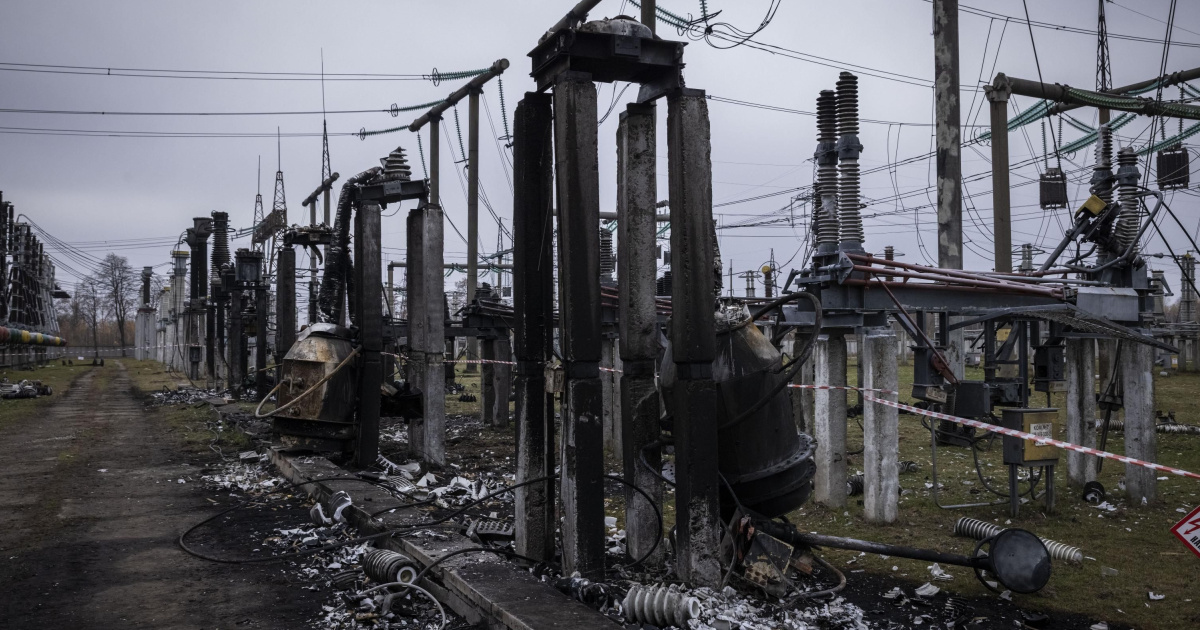
There are still no confirmed agreements on an energy truce between Ukraine and russia, and U.S. President Donald Trump’s statements may be part of his tactic for influencing the markets. Political analyst Volodymyr Fesenko said this in an interview with OstroV.
“Certainly, as of today, there are no agreements on an energy truce. Neither Kyiv nor moscow confirms this. Even Washington, apart from Trump’s statements, does not confirm it either”, - Fesenko said.
In his opinion, the most that is happening now is consultations by the American side with Ukraine and russia regarding the possibility of reaching such an agreement.
“At most, what is most likely happening now is consultations being held by the Americans regarding the possibility of such a truce, which they are conducting with both Ukraine and russia”, - the political analyst noted.
Volodymyr Fesenko does not rule out the possibility that negotiations on an energy truce may take place after September 20. According to him, they could be held either bilaterally or in a trilateral format with the participation of the United States.
“I do not rule out the possibility that negotiations on this issue could take place, for example, after September 20, that is, after the State Duma elections. These could be separate negotiations, or negotiations in a trilateral format, which are definitely being prepared now”, - he said.
At the same time, the issue of an energy truce may be just one of several that the parties will discuss. Another potential area for an agreement is a halt to strikes at sea.
“Certainly, there are two issues at these negotiations that are relevant to both sides and to the United States — the energy truce that Trump has already announced, plus a truce at sea”, - Fesenko noted.
At the same time, the political analyst is skeptical about russia’s willingness to agree to such arrangements. According to him, the problem lies not only in reaching an agreement itself, but also in the need to agree in detail on a list of facilities that the parties undertake not to strike.
“The other question is whether russia will agree to this. There is a lot of skepticism here”, - he said.
Fesenko recalled that similar agreements had already been attempted before, but they failed to work because the parties had different approaches to the lists of facilities.
“This is a complicated issue. At one point, back in March last year, an agreement like this had already been reached. Then everything fell apart because the lists were different: one side did not recognize the other side’s lists. And there is such a risk now as well. Therefore, serious negotiations and mutual agreement on such lists are needed here”, - the expert explained.
Fesenko separately drew attention to the fact that even if an agreement is reached, the question of its long-term implementation remains.
“What if they reach an agreement — that is possible, in principle. But will they comply with it, for example, after November 3?” - he noted.
According to him, after the U.S. congressional elections, Trump’s interest in this issue may change, while for russia, strikes on Ukraine’s energy infrastructure remain an important part of its military strategy.
“The U.S. congressional elections will take place, and Trump may lose interest in this issue. And the russians will comply with their commitments to Trump only if they choose to do so, while their main interest after that will be to resume strikes on Ukraine’s energy infrastructure, because this is the main component of their strategy for the winter military campaign against Ukraine”, - Fesenko said.
The expert also explained why, in his opinion, Trump made a statement about the truce before any actual agreement had emerged.
“What concerns him now is not the war between russia and Ukraine, but the rise in the price of diesel in the United States. And this is an extremely negative factor that affects the behavior of American voters — and elections are being held in the U.S, in November”, - the political analyst said.
Fesenko suggested that Trump may be counting on the informational effect of his statements, in particular on a decline in oil and fuel prices.
“This was purely a speculative effect, but nevertheless, it did happen. And now, it seems to me, Trump is counting on the same effect — he probably believes that after his statements, the price of diesel, and perhaps gasoline as well, will begin to fall in the United States”, - he noted.
Ultimately, Fesenko believes that there are currently more grounds for skepticism than optimism regarding an energy truce.
“So, unfortunately, for now there are more grounds for skepticism than for optimistic expectations regarding an energy truce”, - the political analyst concluded.