
The “Fellow Countrymen” project. Donetsk – Luxembourg: humanitarian aid is a family affair
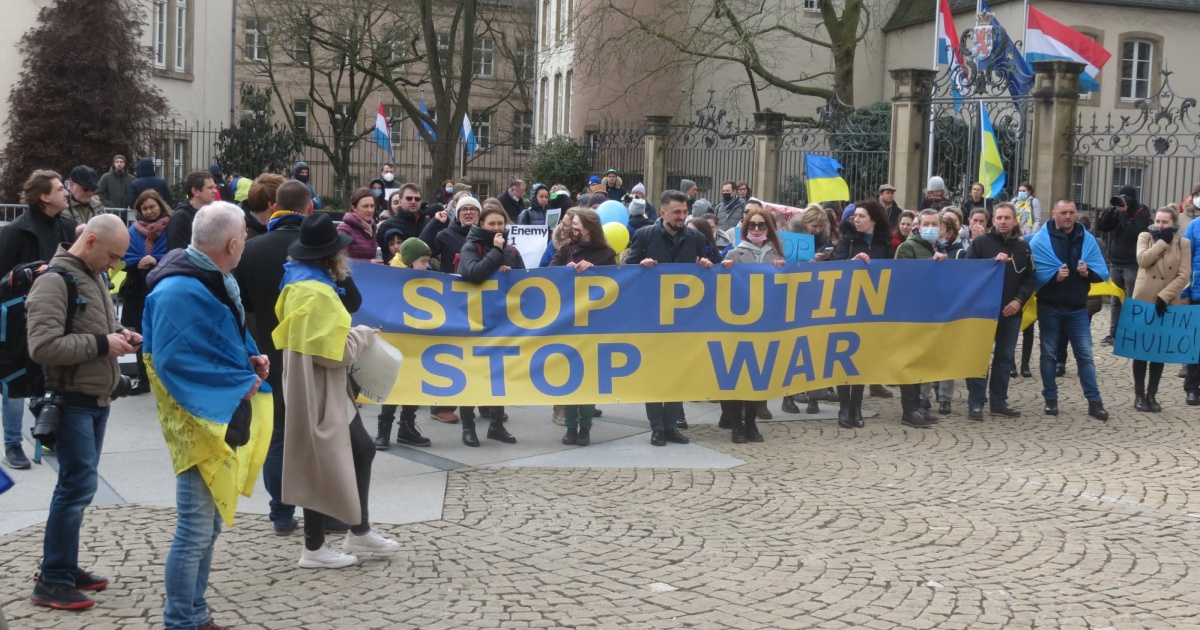
Foreign charitable assistance to Ukrainians is associated with large foundations, well-known humanitarian organizations, wealthy philanthropists, and convoys of trucks carrying humanitarian aid. However, our story is focused on a channel for providing tangible assistance was established without the involvement of big names or substantial financial resources. We are talking about Ad Pacem servandam — Pour la Paix et contre la Guerre (“For Peace and Against War”), an association registered in Luxembourg.
Twice as much is given by those who give in time
It all began long before 2014. Claude (Claudio) Pantaleoni, a teacher at a secondary school in Esch-sur-Alzette, Luxembourg, had always shown a deep interest in Ukraine, its history, and traditions. Every summer, he would visit our country with a group of his students. These trips were primarily educational in nature. At the same time, their exposure to Ukraine and its people went hand in hand with purely private assistance, provided by the teacher and his students on their own behalf to those in need. During one of these trips, Claudio met his future wife, Donetsk historian Nataliia Shevchenko. The young family settled near the border with Luxembourg, in the small commune of Crusnes in northeastern France. The events of spring 2014 in Donbas, Nataliia's home region, naturally did not leave the couple indifferent. They had friends and acquaintances in Donetsk who, as a result of russian aggression, lost everything overnight: their homes, jobs, and loved ones.
As Nataliia Shevchenko (Pantaleoni) told OstroV, it is difficult today to say who in their family first suggested establishing a permanent channel of assistance for her fellow countrymen. She insists that Claudio was the driving force behind the initiative. Most likely, however, it was a joint decision: the couple became co-founders of a private initiative that mobilized local residents of their own and neighboring communes to collect aid for the people of Donbas. Their friends, acquaintances, and fellow teachers and students at the school also joined in. The early years of this story were not marked by major humanitarian programs or large-scale campaigns. The focus was on specific individuals whom Nataliia knew personally and who needed help. Here and now!
The humanitarian aid center was set up right in the Pantaleonis' home. In February 2015, they began organizing fundraising efforts for people affected by the war in eastern Ukraine. Over six months, they managed to raise 7,767 euros, which were distributed directly to families in need and used to cover the costs of medication and medical procedures. Assistance was provided both to those who had left the temporarily occupied territories and to those who, for various reasons, excluding ideological motives, remained in occupied Donetsk. The latter were offered not only immediate support but also help finding a way out of their predicament.
The organization's archives preserve the stories of people who were helped to escape the “russian world”. For example, Kateryna K., an employee of the Donetsk Oblast Museum of Local History, was unable to leave for government-controlled territory in 2014: she was caring for her mother, who had heart problems, and her 89-year-old grandmother, who suffered from Alzheimer's disease. Kateryna naturally lost her job, and the private initiative from Luxembourg offered to help cover her medical expenses and paid for her evacuation from the occupied zone.
For three years, Yuliia L., a widow with two children from Donetsk, received financial assistance. For the same length of time, residents of Luxembourg supported Vladyslava P., a single mother from a village near Avdiivka. This was targeted assistance provided to specific individuals, not an impersonal transfer of money to a general fund.
In addition to what could be called targeted charitable assistance, Nataliia and her friends organized a collection of clothing and shoes for internally displaced people. Everything was packed into boxes right in the Pantaleonis' home. As a result, in 2015, 28 parcels containing winter clothing, with a total weight of 435 kilograms, were sent to Ukraine.
Our people in Luxembourg
As the scale of russian aggression grew, so did the number of people in need of assistance. A private initiative was no longer enough. In a conversation with OstroV, Nataliia Shevchenko explained that collecting clothing was one thing, but receiving monetary donations from concerned Europeans was quite another: “We couldn't exactly deposit those funds into our personal accounts”. Therefore, in 2017, the initiative took its next organizational step: the association Ad Pacem servandam — Pour la Paix et contre la Guerre (“For Peace and Against War”) was established. Its president was Luxembourg citizen Claudio Pantaleoni, while his wife Nataliia became vice-president.
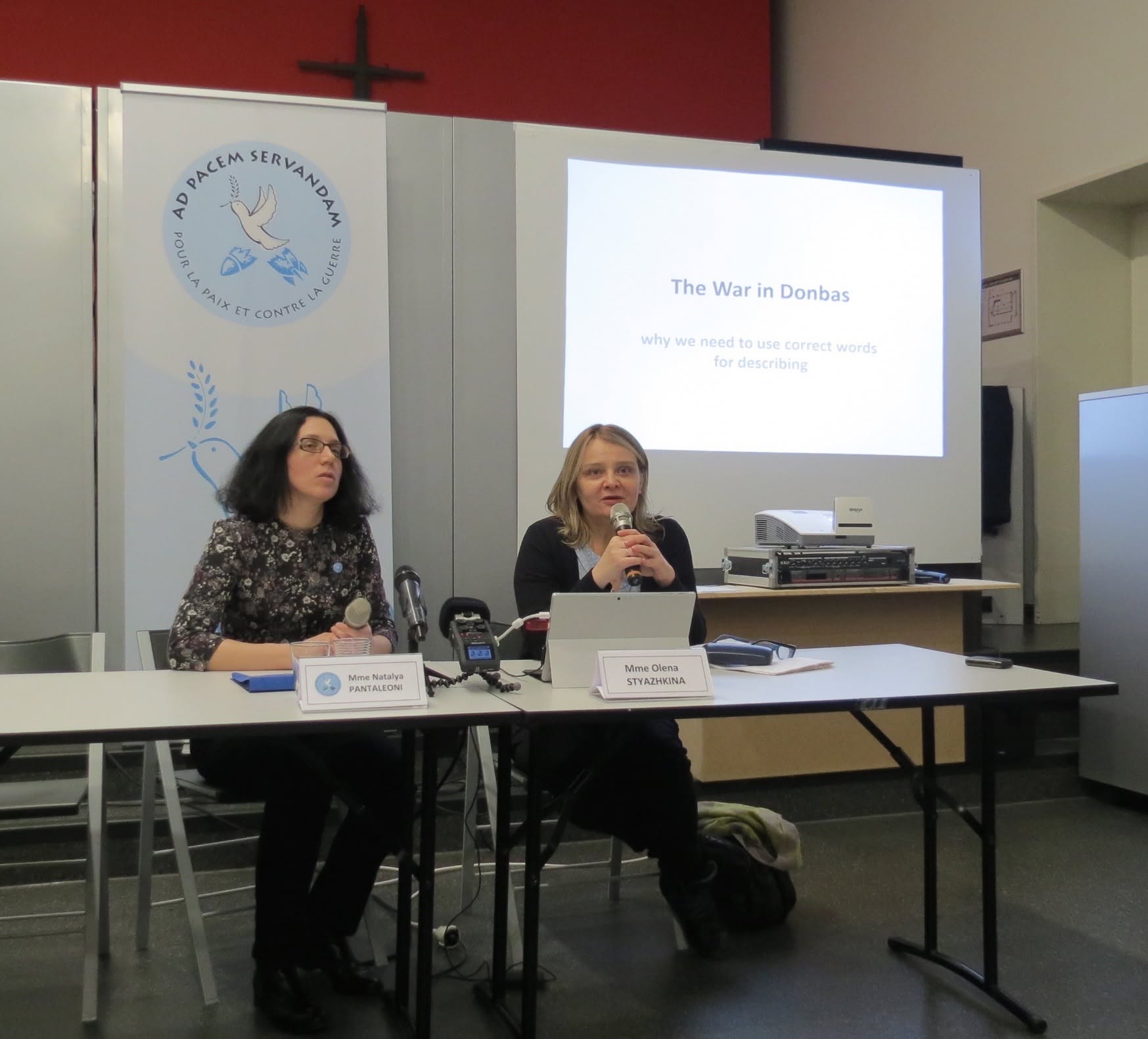
Naturally, to attract new members to what had by then become more than just a family initiative, it was necessary to inform Europeans about what was actually happening in eastern Ukraine, a country far removed from them, and in the even less familiar region of Donbas. To this end, prominent public figures who were well known in their home country were invited to Luxembourg. In March 2019, Ukrainian writer, Doctor of Historical Sciences, and Professor Olena Stiazhkina became the association's speaker. In 2014, she had actively participated in organizing pro-Ukrainian rallies in Donetsk, which was already engulfed in separatist protests. She held a literary evening at the Diderich bookstore in the city of Esch-sur-Alzette, where she introduced Luxembourg residents to her novel In the Language of God, part of the Donbas Anthology. In Luxembourg, as part of the Book Festival (“Salon du Livre et des Cultures”), the writer presented documentary accounts of the occupation of Donetsk and Luhansk and took part in recording a special program for ARA Radio. The interviewers of the Ukrainian guest were students from the Esch-sur-Alzette secondary school.
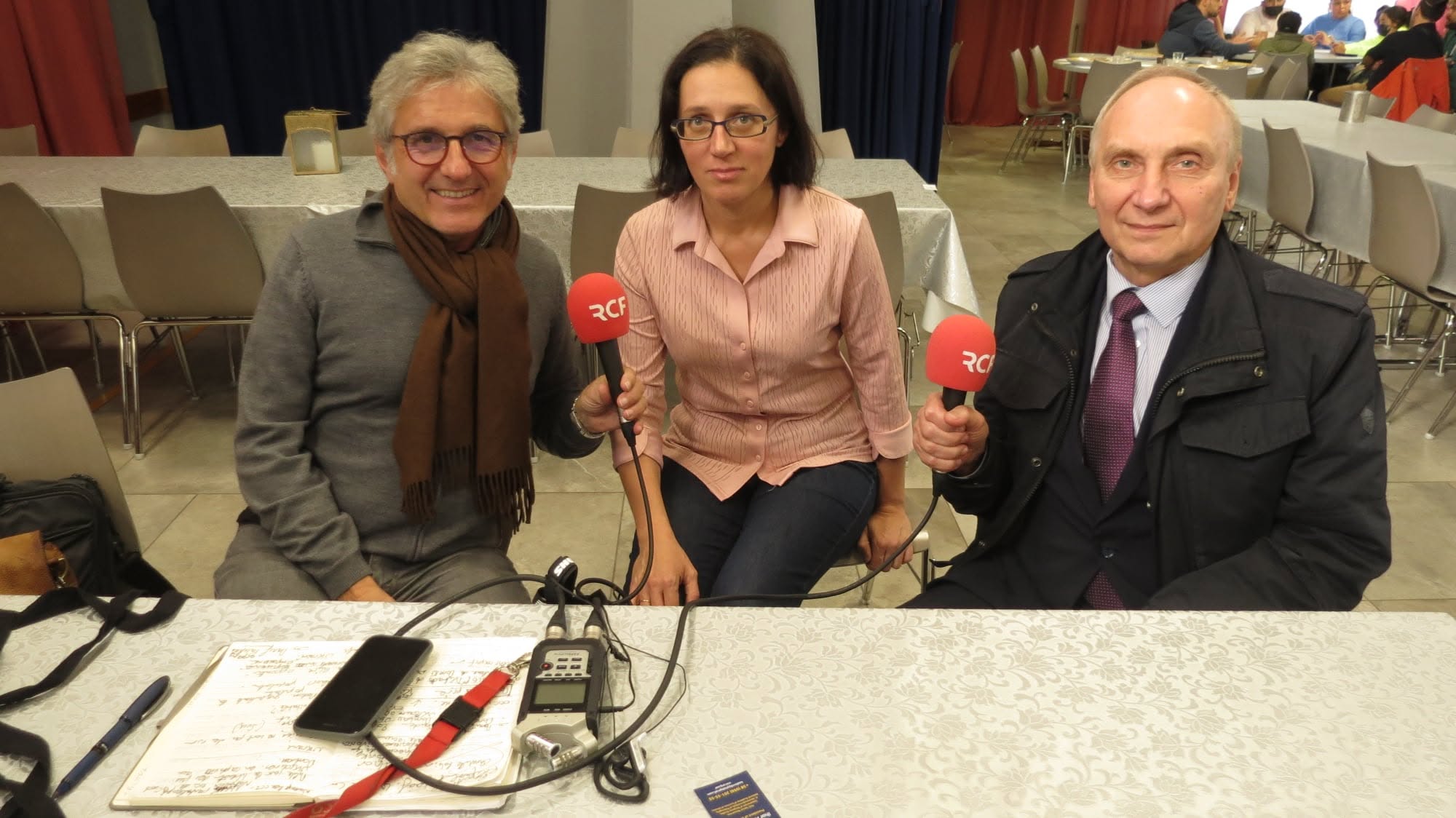
Even more compelling proof that the “russian world” is absolute evil came with the October 2021 visit to Luxembourg by Donetsk scholar Ihor Kozlovskyi, a former prisoner of the concentration camp in occupied Donetsk. He spoke about his 700 days in “Isolation”, as well as the interrogations and torture he endured, in the commune of Lintgen (Luxembourg). His public lecture at the parish hall in Mont-Saint-Martin (France) focused on russia's then-hybrid war against Ukraine, as well as the historical and religious aspects of Donbas identity. Just before returning to Ukraine, Ihor Kozlovskyi attended a charity solidarity concert at Notre-Dame Church in Villers-la-Ville, France. The event was held to raise funds for a refugee family from Donbas.
February
Russia's full-scale invasion of Ukraine presented the association with new, much larger challenges. People fleeing the war, who had previously been somewhat euphemistically referred to as internally displaced persons, were now being called refugees. Unlike the relatively calm and organized exodus of Donbas residents after 2014, huge numbers of people were genuinely fleeing without belongings or documents, wearing only what they had on when the shelling began or the “liberators'” troops approached. Many did not even have a change of clothes or shoes. Recognizing this, people in Luxembourg launched a large-scale collection of clothing, bedding, medicines, medical supplies, and equipment. The association established receiving centers in Ukraine. The first humanitarian shipments were organized as early as late February 2022. Aid was sent to Ukraine's western regions, as well as to Dnipro, Zaporizhzhia, Kharkiv, and other cities. In July 2022, medicines, bandaging materials, thermal blankets, and disinfectants were delivered to Kramatorsk for territorial defense units.
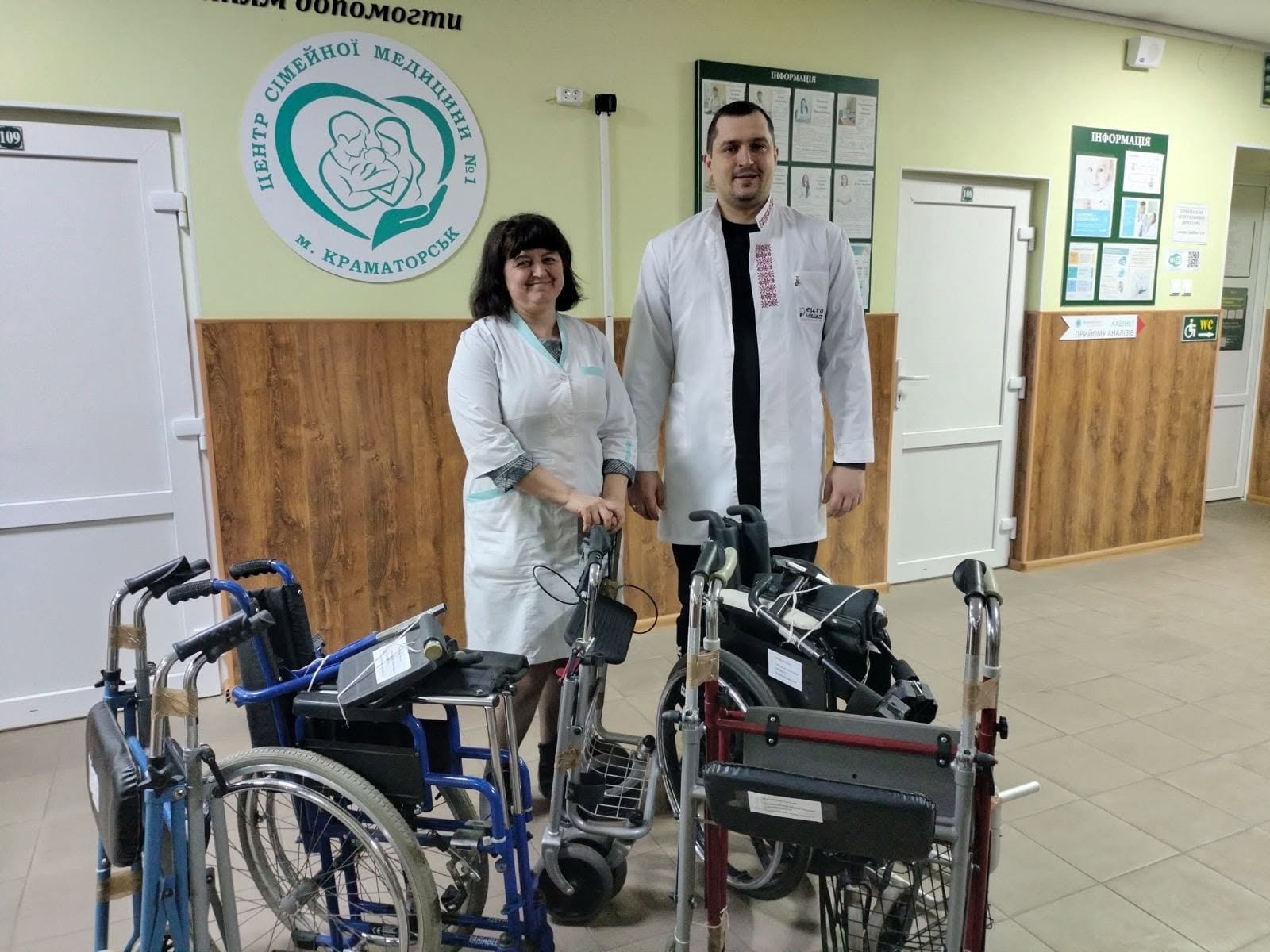
Medical supplies, sleeping bags, communication equipment, and other necessities were purchased and sent to medical workers in Kharkiv… The association's activities expanded beyond private donations from its members: municipalities, educational institutions, businesses, and ordinary residents of Luxembourg joined the fundraising efforts. In March 2022 alone, the organization received nearly 17,000 euros in charitable donations.
The association provided individual scholarships to Ukrainian students who had lost their homes and whose families were facing financial hardship. In 2025, two of the association's scholarship recipients completed their studies, and the organization is currently supporting three more.
In addition to helping people in need in Ukraine, Ad Pacem continued to support those who had applied for temporary protection in the EU, particularly in Luxembourg. Here, the principle of helping one's fellow countrymen came into play once again. In the best possible sense of the word, Nataliia picked up the phone and began calling her former classmates, university peers, former schoolteachers, and university professors. She invited them to stay with her, promising them full support.
As early as March 2022, the organization welcomed its first families with children, helped them find accommodation and complete the necessary paperwork, and organized collections of essential items. A small commune in the French border region became the starting point for a new life for many refugees from Donbas.
For some, this was not their first relocation caused by russian aggression. For example, Susanna, an association scholarship recipient who had left occupied Horlivka for Kramatorsk after 2014, now settled with her family at the home of Nataliia and Claudio's friends. A family from Donetsk — a mother with two young children, a grandmother, a great-grandmother, a dog, and a cat — which had previously relocated to Pavlohrad, found a new roof over their heads at the home of Nataliia's mother-in-law. Two other women, who had been neighbors in their former life in Donetsk, along with their four children, settled in a house belonging to the local church parish. A family that had been displaced twice, first from Donetsk and then from Borodianka, consisting of three children and a grandmother, was taken in by Claudio's friend, a deacon at a neighboring parish. Their own home also had room for a mother with three children and a cat. Naturally, the association did more than simply arrange “reunions among fellow countrymen”. Everyone was welcomed, but people from Donbas were given priority on the basis of their shared background.
In the following years, the organization's geographical reach and areas of activity expanded. Targeted assistance from Luxembourg began reaching hospitals, rehabilitation and social care institutions, centers for internally displaced persons, and shelters for women and children. For example, in 2023, the association supported the City of Goodness center in Chernivtsi, which provides shelter for orphaned children, mothers with children, and families forced to flee dangerous areas. Children's beds, equipment, and air purifiers were purchased for the facility. The psychiatric hospital in Vorzel also received assistance. In 2025, the organization sent shipments to Kharkiv, Dnipro, Ivano-Frankivsk, and other cities, supporting hospitals, shelters, and educational projects. In 2026, notable recipients of assistance included a military hospital in Kyiv, the Hospitallers volunteer medical organization, a diagnostic center in Bucha, and a shelter for mothers and children in Ivano-Frankivsk. The Kyiv hospital received bandaging materials, syringes, medicines, disinfectants, orthoses, and other medical supplies. The Hospitallers, who work directly near the front line, received portable power banks and vitamin supplements.
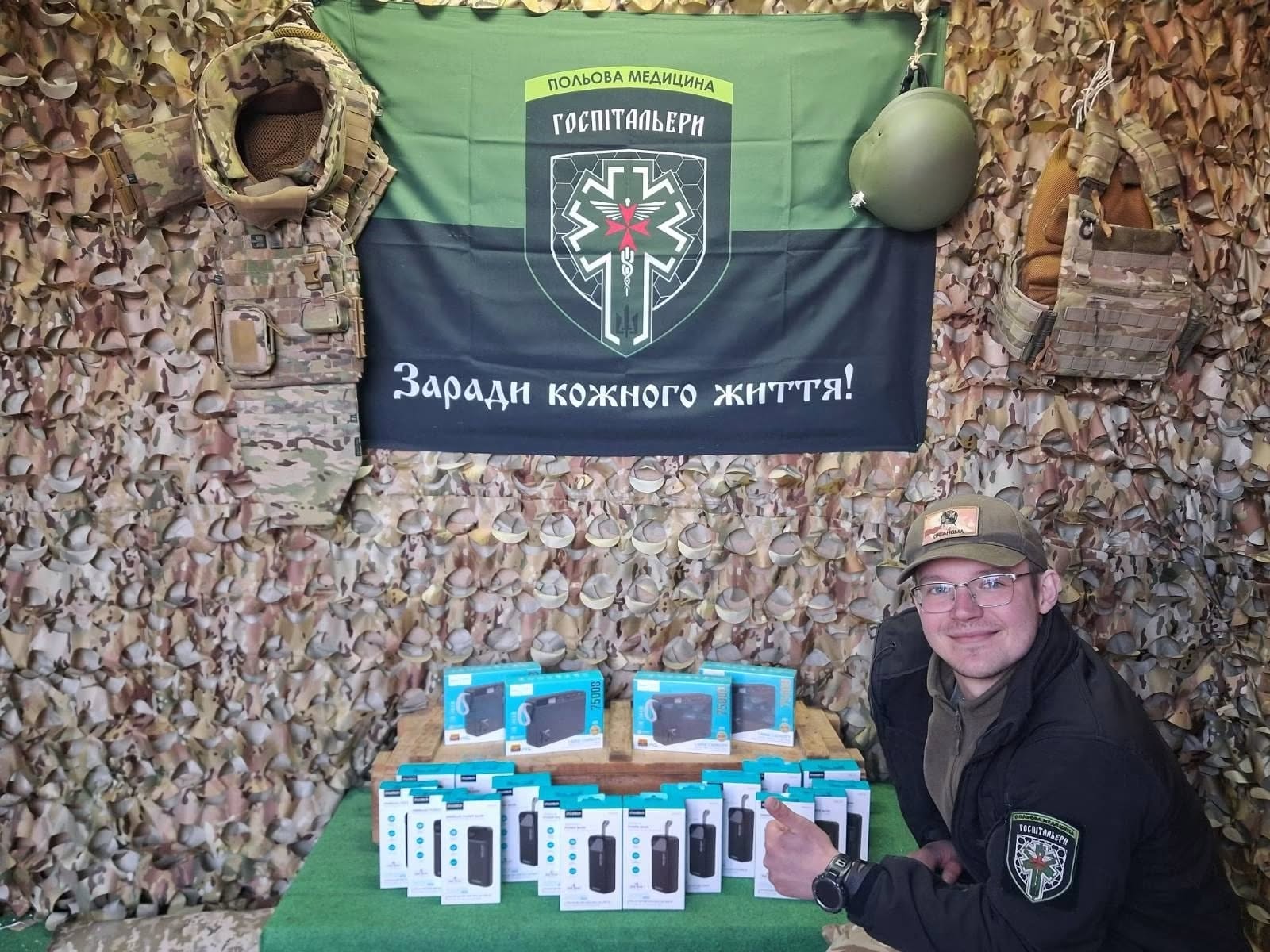
For Bucha, residents of Luxembourg purchased magnetotherapy and lymphatic drainage machines for the comprehensive rehabilitation department at a diagnostic center that had been damaged during the occupation. In Ivano-Frankivsk, they helped repair the water supply system and install new doors at a shelter.
Another separate area of Ad Pacem's work is supporting people who have endured russian captivity and torture. In July 2024, Nataliia Shevchenko-Pantaleoni visited Ukraine, where, in government-controlled territory, she met with former prisoners of the Izolyatsia prison in occupied Donetsk, including Andrii Kochmuradov, Vitalii Sokolov, and Valerii Matiushenko. For the association, this is not merely a humanitarian issue, the vice-president notes, but also an opportunity to tell European audiences about the lives of civilians who have suffered as a result of russian aggression.
A small contribution…
Thus, for the thirteenth year, this small organization, which is not a major humanitarian foundation by any stretch of the imagination, has been doing everything within its limited means and capabilities to help Ukrainians affected by russian aggression. Its work consists of numerous small but always targeted acts of kindness: a parcel sent, medical treatment paid for, equipment provided to a hospital, assistance given to a refugee family, or a scholarship awarded to a student. To support these efforts, the association's activists organize charity concerts. During breaks between performances, Nataliia personally addresses European audiences, sharing the unvarnished truth about the lives of Ukrainian civilian prisoners, refugees, and the actual situation in her homeland. For several years now, Ad Pacem has also been producing and selling its own calendars. They provide information about events in Ukraine, raise awareness of the association, and the proceeds also go toward replenishing its aid fund.
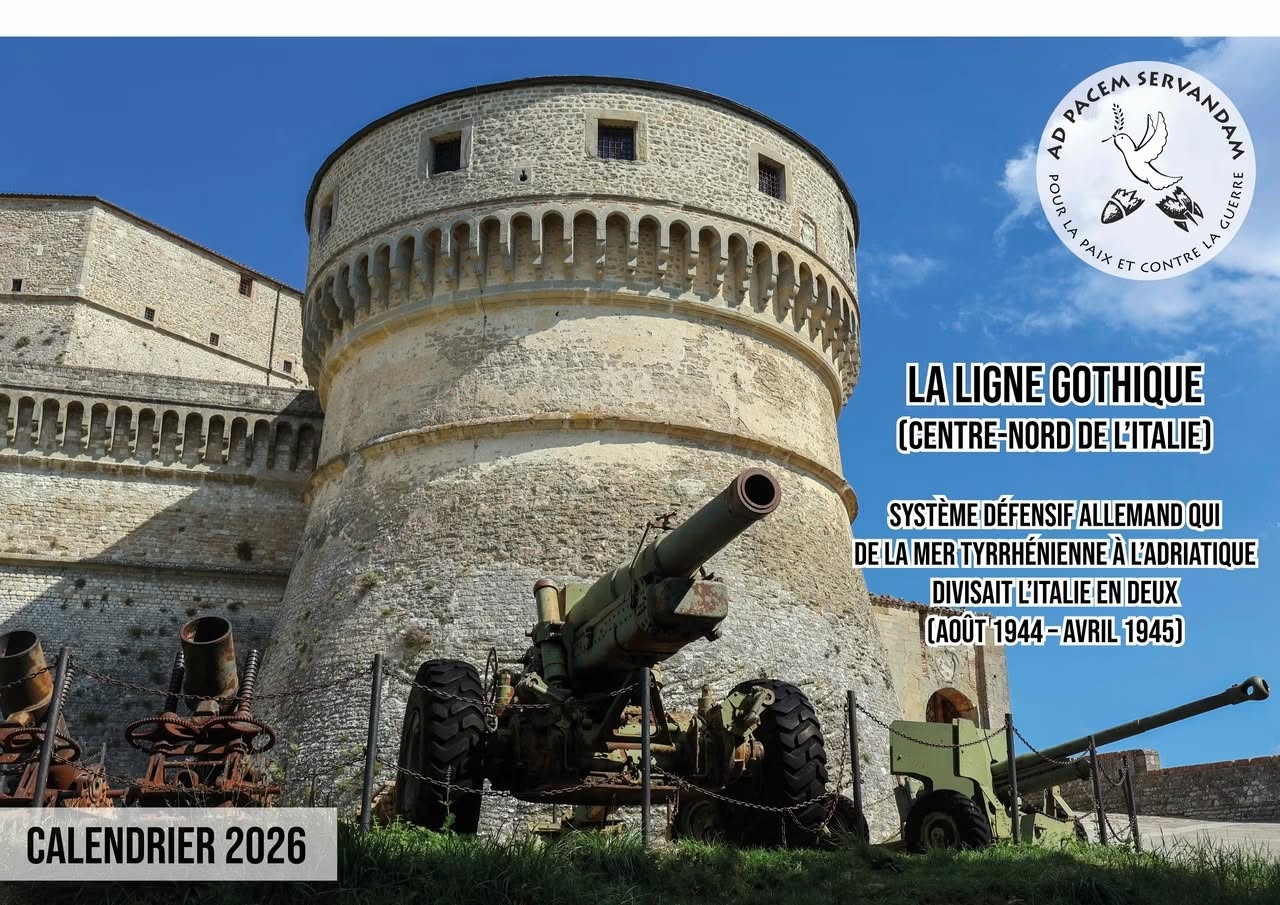
The association currently has 121 members. They are citizens of Luxembourg, France, Germany, Italy, and Ukraine. The organization receives no government subsidies: administrative and organizational expenses are covered by membership fees of 15 euros per year, or 5 euros for students. All donations are spent exclusively on charitable activities.
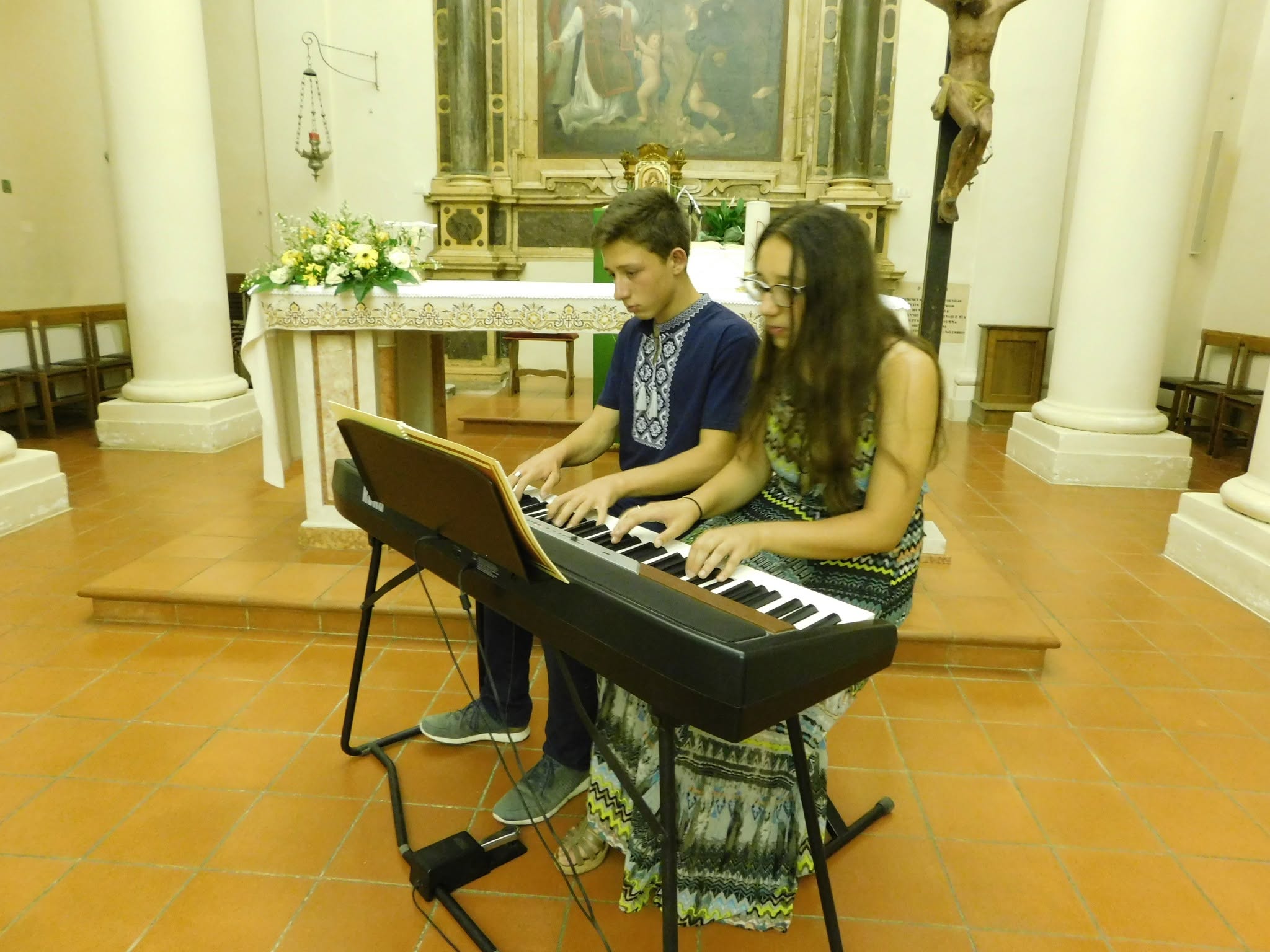
Incidentally, Nataliia and Claudio's three children also provide active assistance. These young citizens of Luxembourg have every reason to consider themselves Ukrainians… From the very beginning, the children have always helped their parents and the adult team with everything, from packing boxes of humanitarian aid to taking on responsible tasks such as organizing charity concerts, taking photographs for the calendars, and selling the calendars themselves from October through January.
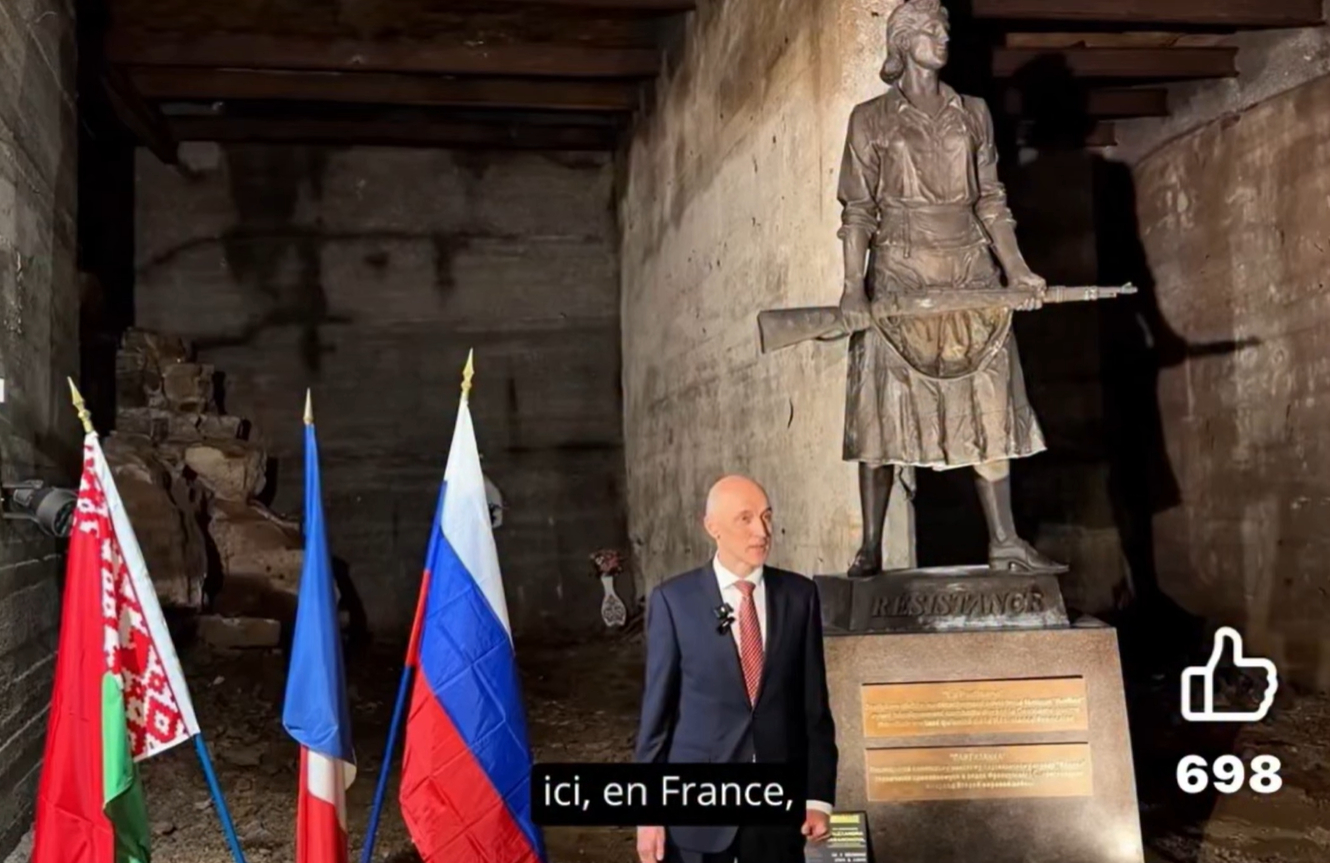
The association is also making its presence felt in the arena of high-level politics. For example, in the autumn of 2026, thanks to the firm and active stance taken by Ad Pacem, the unveiling ceremony of a monument to Soviet women underground resistance fighters in the French town of Thil was stripped of its propagandistic rhetoric. Russia and Belarus had attempted to appropriate the memory of these women. The monument commemorates a female partisan unit made up of women born in the USSR who had escaped from a Nazi concentration camp and joined the Resistance movement. Following protests by the Ukrainian community and the Ad Pacem association, as well as an official diplomatic note from the Ukrainian Embassy, the French authorities demanded that the Thil municipal council cancel or postpone the official ceremony. As a result, instead of an official celebration attended by high-ranking diplomats from russia and Belarus, a modest, unofficial wreath-laying ceremony took place at the monument one day before the planned propaganda event. Nataliia notes, incidentally, that even local residents of Thil did not know the exact time of the ceremony.
In addition, the organization maintains close ties with the SEMA Ukraine association, a network of Ukrainian women who survived sexual violence during the russian occupation and captivity. Joint projects include psychological support, rehabilitation assistance, and advocacy for their rights before courts and other organizations.
By Yurii Bovkh, OstroV