
Between home and life: how Donetsk oblast residents are being rescued and why they refuse evacuation
"Where would I even go? My whole life is here. I'll wait a little longer", - says Mykhailo, an elderly resident of Kramatorsk, explaining why he refuses to evacuate despite months of persuasion. Despite constant russian shelling, he, like thousands of other residents of the Donetsk oblast, still cannot bring himself to leave his hometown. Some are held back by their attachment to home, others by fear of the unknown, the lack of housing, or the belief that the worst is already behind them.
At the same time, the number of people who do decide to leave frontline communities is gradually increasing. Along with this, the geography of evacuations is also changing. A year ago, Kostiantynivka was the main destination for rescue efforts, but today the largest number of evacuation requests comes from Sloviansk and Kramatorsk.
As the security situation deteriorates, volunteers and evacuation services are increasingly forced to change routes, identify safe pickup locations, and operate under conditions where every mission involves a high level of risk.
"Right now, the security situation in the Donetsk oblast is worsening every day. While we previously could reach almost every district of certain cities, now, for example, we cannot even move freely throughout Kramatorsk or Sloviansk. Together with our security and logistics department, we identify safe pickup points where we collect people for evacuation", - Marharyta Harshyna, Communications Manager at the Angels of Salvation Charitable Foundation, told OstroV.
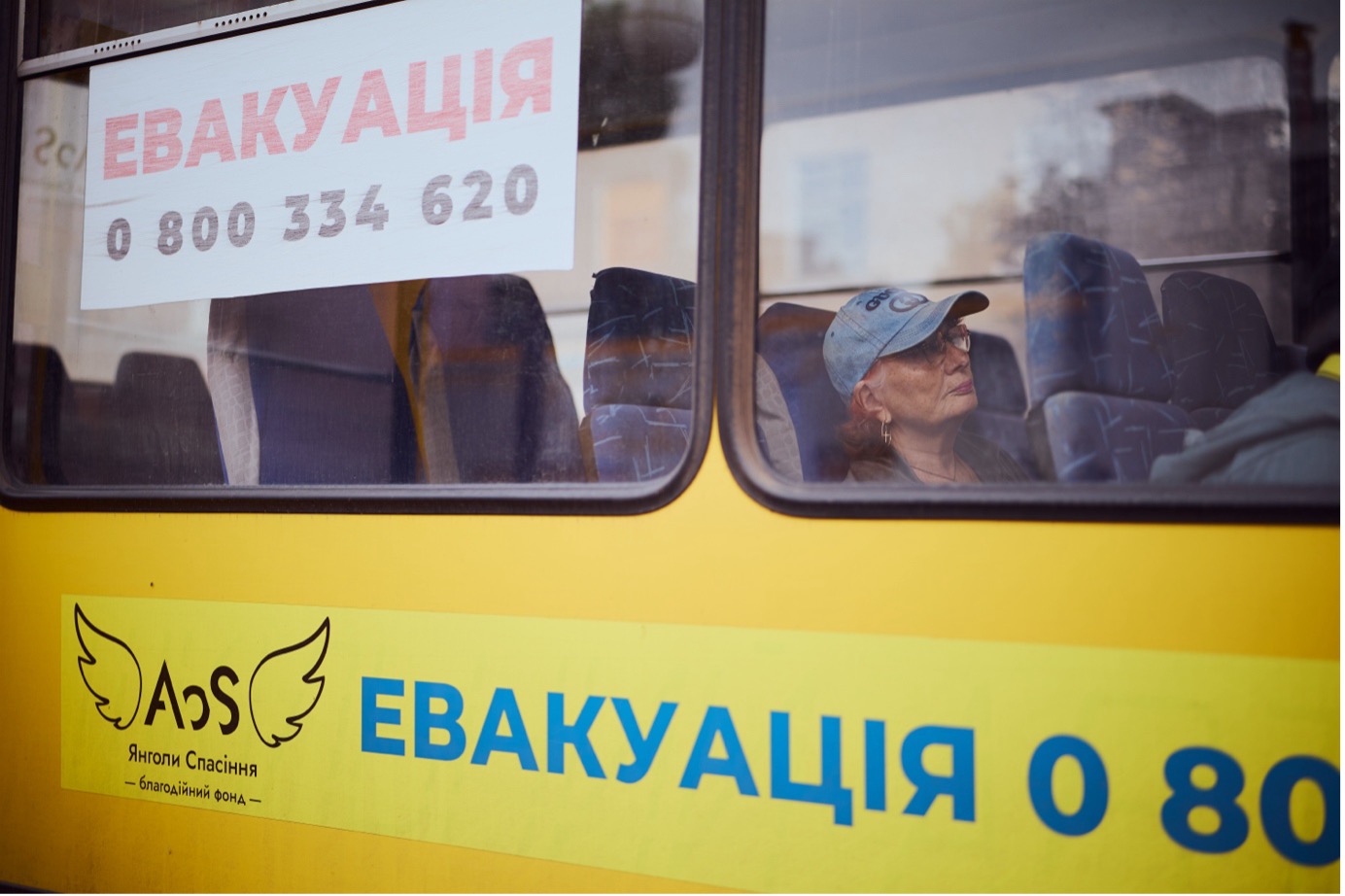
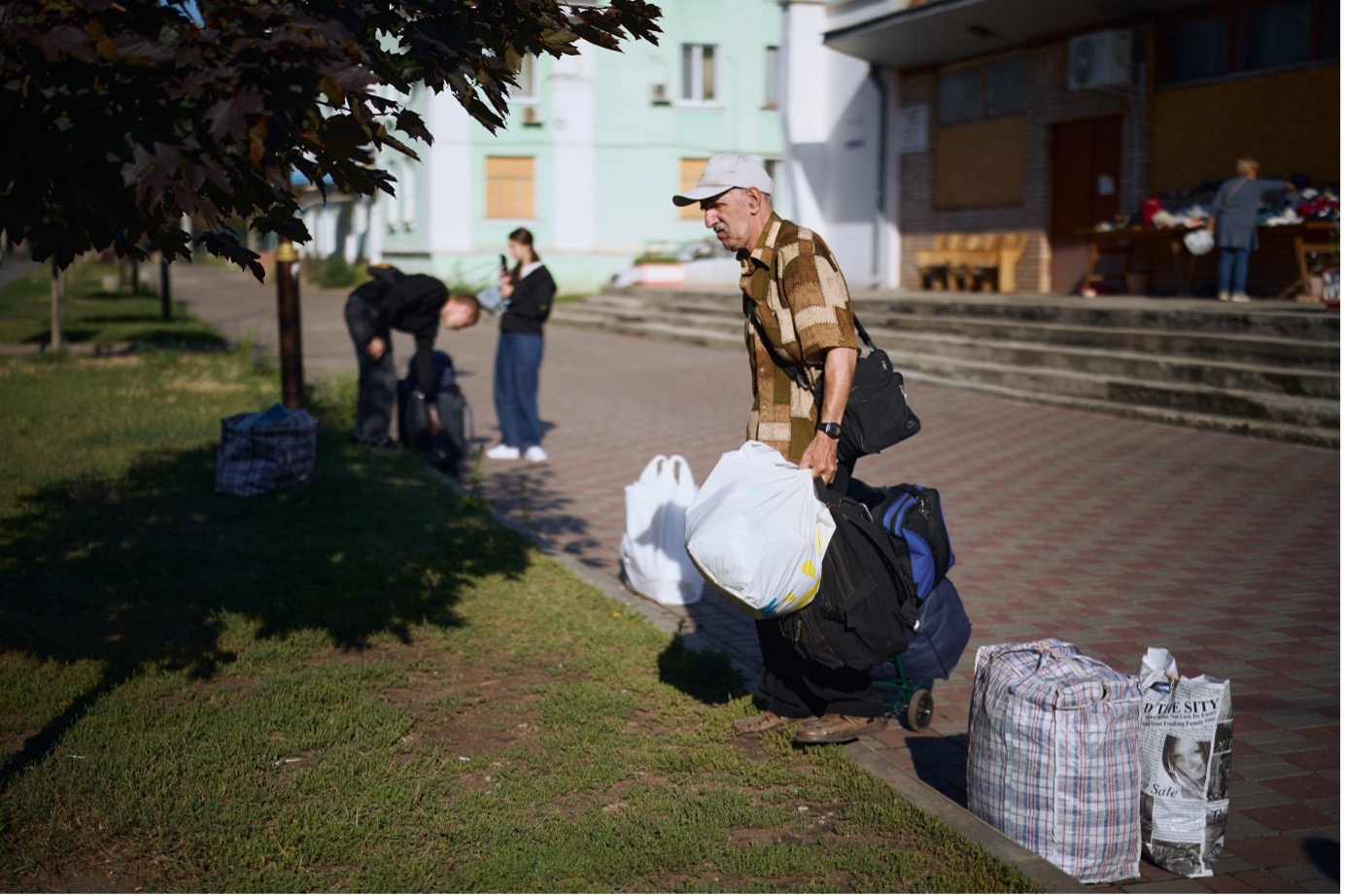
Photos provided by the Angels of Salvation Charitable Foundation
OstroV looked into how evacuations are actually being carried out in the Donetsk oblast today, why years of full-scale war have failed to convince many people to leave the combat zone, and what needs to change to save more lives.
The war has changed the evacuation map of the Donetsk oblast
According to the Donetsk Oblast Military Administration, since the beginning of July alone, 3,165 people have been evacuated from the Kramatorsk community, while another 2,037 have left the Sloviansk community. These two communities currently account for the largest number of evacuees. Altogether, nearly 7,800 people, including more than 1,000 children, have left the government-controlled part of the region during this period.
At the same time, about 13,000 people still remain in the 19 communities classified as active combat zones. In addition, hundreds of minors remain in settlements where the mandatory evacuation of families with children is ongoing, while more than 500 elderly people living alone with limited mobility categorically refuse to leave.
According to Roman Buhaiev, an evacuation worker with the East SOS Charitable Foundation who operates in the Donetsk oblast, what was considered a relatively safe evacuation route just a few months ago can now come under attack within an hour:
"If we compare the situation to what it was two or three months ago, people are now evacuating much more actively. Overall, the situation in Sloviansk and Kramatorsk today resembles what Kostiantynivka was like a year ago: constant shelling, strikes with KAB guided bombs, MLRS, and other types of weapons. At the moment, the evacuation system is generally coping. About 90% of all evacuations are carried out by representatives of the charitable sector—volunteers, charitable foundations, and public organizations".
According to Buhaiev, Kramatorsk and Sloviansk have now become the primary focus of evacuation teams.
"If we talk about other settlements, either fewer people who are willing to leave remain there, or we receive only isolated requests. For example, people are still evacuating from Druzhkivka, but no longer in the numbers seen during the previous wave", - he emphasized in a comment to OstroV.
The same trend is confirmed by the Angels of Salvation Charitable Foundation. According to Communications Manager Marharyta Harshyna, the foundation has evacuated more than 3,500 people over the past three months alone, with the majority of requests also coming from the Sloviansk and Kramatorsk communities.
However, the growing number of people willing to evacuate does not mean they have become less afraid of leaving their homes. According to volunteers, most people make this decision only after the security situation has significantly deteriorated.
"Above all, it is the advancing front line and the sharp increase in the intensity of hostilities. The shelling of cities has become much more frequent, and drones are being used more actively. FPV drones are now flying into Sloviansk and Kramatorsk almost as if they own the place. Based on my personal observations, the intensity of shelling has increased severalfold. That is why people are increasingly deciding to evacuate", - says Roman Buhaiev.
At the same time, even constant shelling does not guarantee that people will agree to leave their homes. This is where the most difficult part of the evacuation workers' job begins—convincing a person to take the first step.
Evacuation is more than just leaving
Today, evacuation is no longer simply about getting people out from under shelling. For many residents of the Donetsk oblast, the real difficulties begin after they leave. Where will they live? How will they restore their documents? Where can they receive medical care? Who will look after elderly relatives or people with disabilities? These are the questions that concern people most, even before they agree to get into an evacuation vehicle.
That is why evacuation has evolved into a comprehensive support system in which charitable organizations often perform functions that were once associated exclusively with the state.
As Roman Buhaiev, an evacuation worker with the East SOS Charitable Foundation, explains, helping people begins long before they get into an evacuation vehicle.
"We provide a full evacuation cycle. Everything begins when a person contacts our hotline. We collect the necessary information, after which an evacuation team is dispatched.
First and foremost, we evacuate people with limited mobility, elderly people, and those who cannot take care of themselves. After the evacuation, people remain under our care. We help them with registration, and then our specialists—social workers, psychologists, and, if necessary, lawyers—work with them.
Our legal team helps restore lost documents, obtain the necessary certificates, or provide legal consultations. If it concerns a person with limited mobility, we accompany them until they reach temporary or permanent accommodation. In other words, a person is not left without support at any stage", - he told OstroV.
The foundation pays special attention to people who cannot take care of themselves independently.
"If a person can find housing on their own, we do not interfere. However, if they are elderly people, large families, or citizens with limited mobility, we work together with our partners and other charitable organizations to find suitable accommodation.
We temporarily place people with limited mobility in care shelters operated by the foundation while simultaneously looking for permanent housing for them. If a person has lost their documents, we help restore them. There are also programs that allow people to be sent abroad for rehabilitation or temporary residence", - he explained.
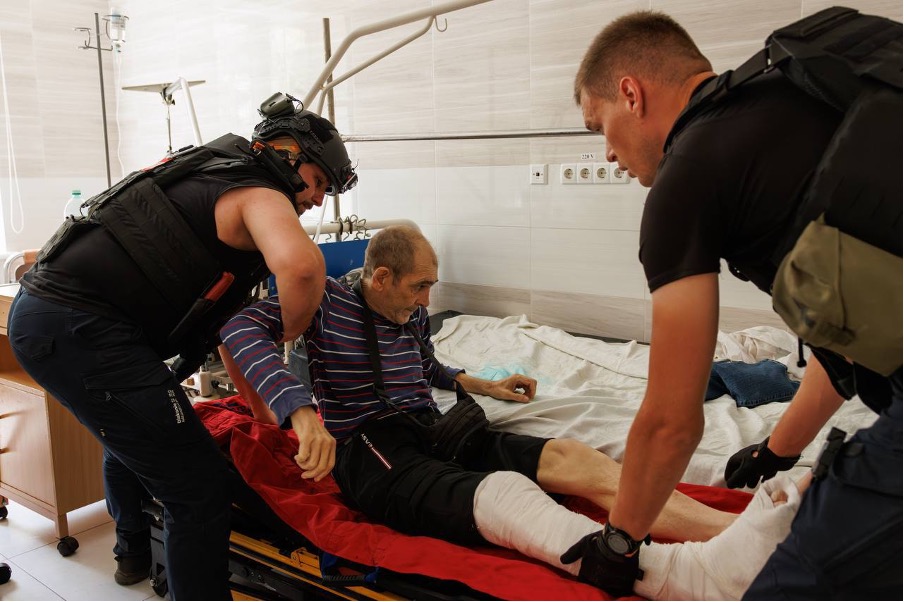
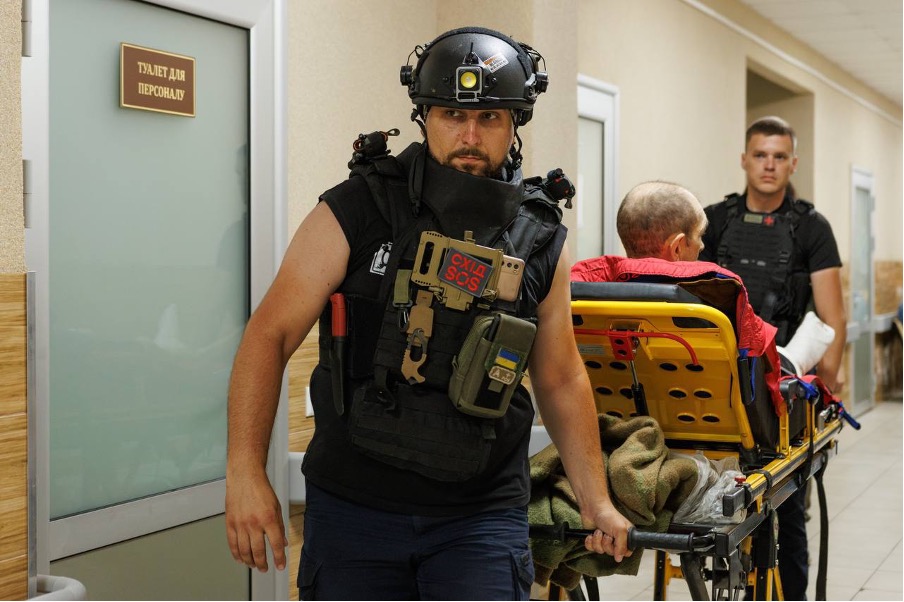
Evacuation from Kramatorsk. Photos by Devin Woodall
A similar approach is used by the Angels of Salvation Charitable Foundation. They emphasize that after evacuation, people often need not only a roof over their heads but also financial, psychological, and legal assistance.
"At transit centers and shelters, people can immediately apply for financial assistance from Ukraine and international partners. Social workers are there to help them resolve the necessary issues. If a person has lost their documents, they can receive legal advice. Specialists help them obtain new documents, including a passport or identification code.
In addition, psychological assistance is provided because evacuation is an extremely stressful experience, and for many people psychological support is critically important. People also receive humanitarian aid, including food, hygiene kits, and other essential items for the initial period", - says the foundation's Communications Manager, Marharyta Harshyna.
Why people refuse to evacuate
Even when russian strikes become more frequent and the frontline moves closer, far from all residents of the Donetsk oblast agree to evacuate. Volunteers who work daily in frontline communities say there is no single universal reason. However, almost every conversation revolves around the same fears—the unknown and the lack of housing after leaving, attachment to home and mistrust fueled by rumors and misinformation.
If in 2022 many people evacuated spontaneously, fleeing the rapid advance of the russian army, now the decision to evacuate is often postponed for months. People weigh all the pros and cons, but often conclude that an uncertain future frightens them more than living under shelling.
"I think one of the main reasons is fear of the unknown. People have their own homes, jobs, familiar lives, and a deep attachment to their hometowns. They are simply afraid to leave all of that behind", - says Marharyta Harshyna.
That is why, she says, during the evacuation volunteers try not only to organize people's departure but also to explain in as much detail as possible what awaits them afterward.
"We constantly explain that we do not leave people alone with their problems. Every evacuee passes through a transit center, where they receive initial humanitarian assistance. If necessary, a person can stay there for several days, receive psychological and legal support, and apply for financial assistance", - she noted.
One of the main concerns for people remains housing after evacuation. Roman Buhaiev, an evacuation worker with the East SOS Charitable Foundation, believes that if people knew before leaving exactly where they would end up and under what conditions they would live, significantly more of them would agree to evacuate.
"People believe they receive insufficient support after leaving. They would like guarantees that they will immediately receive permanent housing. In practice, however, accommodation is arranged only after evacuation and registration, and most often people are placed in temporary housing. In my opinion, we need to increase the amount of housing where displaced people can live for extended periods", - he says.
The Angels of Salvation Charitable Foundation also confirms that finding housing remains one of the most difficult stages of evacuation. That is why the foundation, together with its international partners, helps people find accommodation.
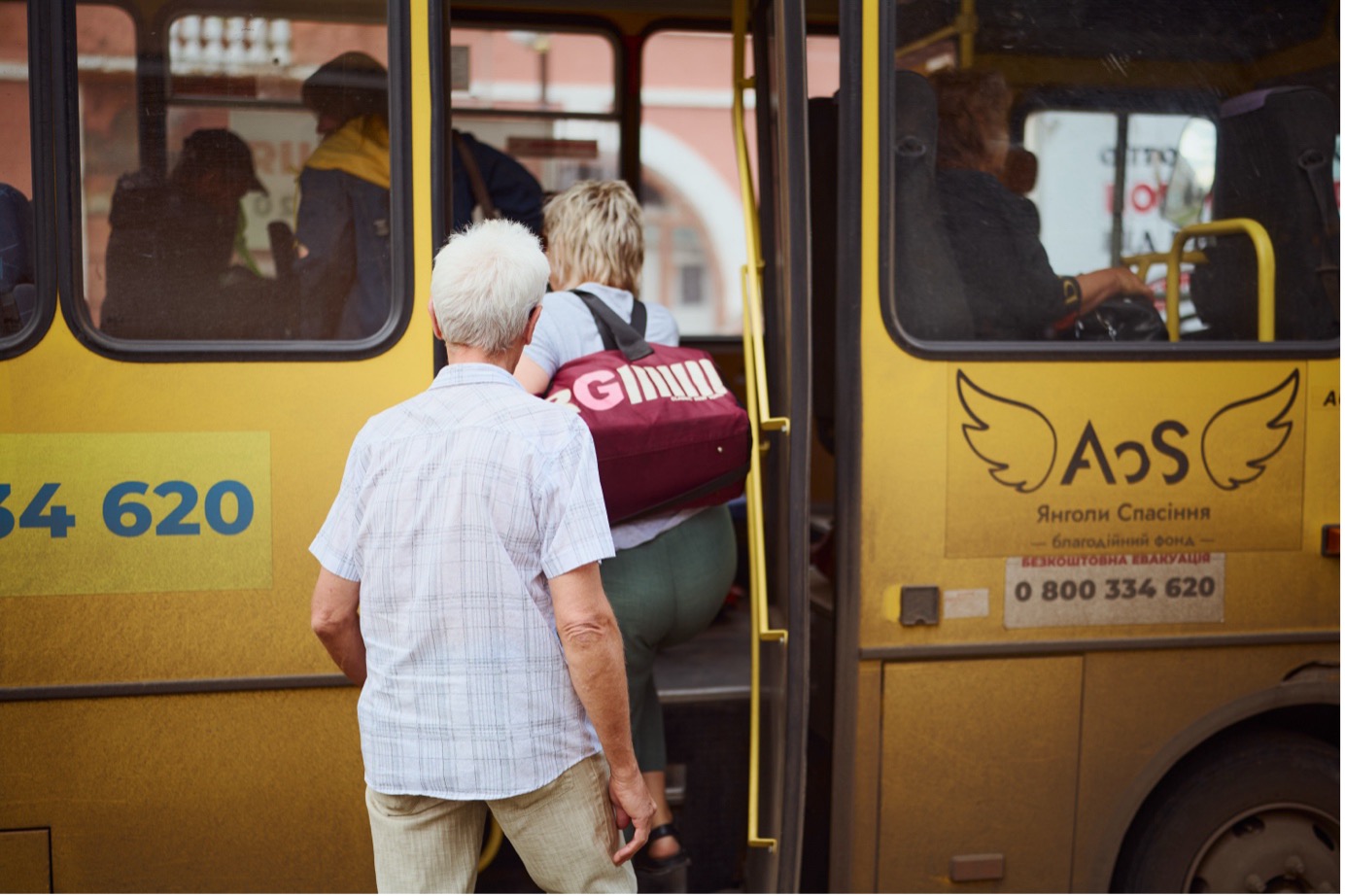
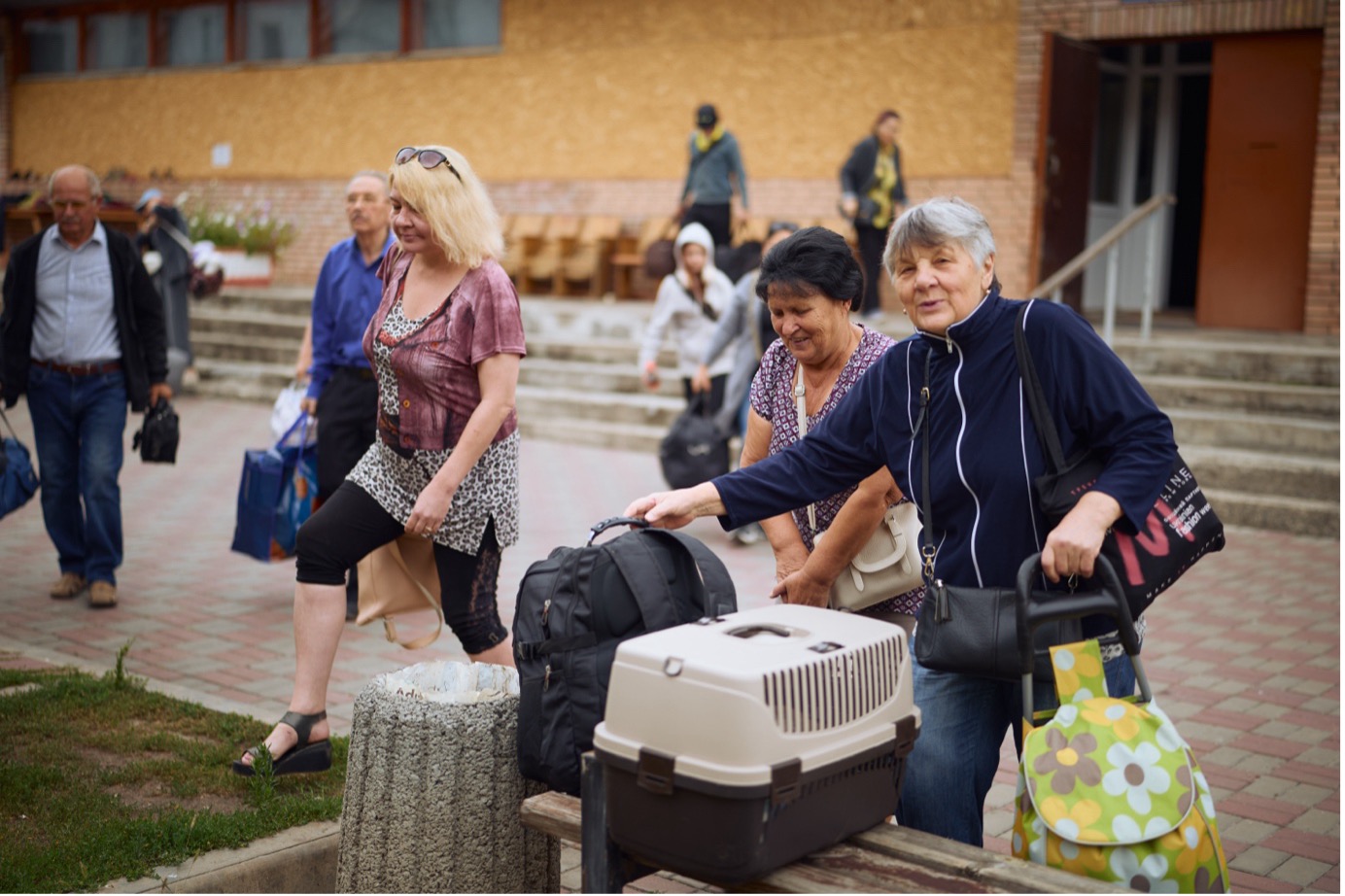
Photos provided by the Angels of Salvation Charitable Foundation
Volunteers also say that the spread of negative information is no less of a problem. People are often told stories about supposedly abandoned displaced persons or those who, after evacuation, were left without any assistance.
"Various fake stories about evacuation are being spread—that people are supposedly taken somewhere and then abandoned without assistance. Because of this, some residents are afraid to leave", - says Roman Buhaiev.
Such stories quickly spread among neighbors and acquaintances, creating distrust of evacuation before a person even seeks help for the first time.
Sometimes this distrust even turns into aggression toward evacuation crews. According to Roman Buhaiev, this is most often connected not with the work of volunteers but with people's negative experiences after previous evacuations or stories they have heard from other displaced persons.
Evacuation of children
A separate area of evacuation work remains the evacuation of families with children. While an adult can decide independently whether to remain in a dangerous settlement, the law provides a different approach for children, including a mechanism for mandatory evacuation.
According to the Donetsk Oblast Military Administration, as of the end of July, 235 children remained in 16 settlements across four communities where the mandatory evacuation of families with children was still underway. Since the beginning of July, 186 children have already been evacuated from these areas.
Despite this, volunteers emphasize that their task is not to forcibly remove children but, above all, to persuade parents to make this decision voluntarily. According to East SOS evacuation worker Roman Buhaiev, in most cases, talking with parents is enough to avoid the use of compulsory measures.
"Unfortunately, there are parents who still want to stay with their children in dangerous areas. We do not understand this because children should not suffer the consequences of war.
If people refuse, they first receive two official warnings. If they still do not respond after that, mandatory evacuation is carried out in accordance with the law. However, in most cases, it never comes to that. More than 90% of families agree to evacuate after these conversations. Often the decision is not made immediately: people need to contact relatives, find accommodation options, or wait until we, together with our partners, find them temporary housing. We have organizations that specialize specifically in assisting families with children, and they help find accommodation.
There are only isolated cases where, due to difficult life circumstances or irresponsible parental behavior, it becomes necessary to involve the juvenile police. But even then, we do not abandon these families and continue to help them", - he said.
"Don't delay leaving"
Despite constant shelling and the difficult security situation, evacuation workers are convinced that one of the main reasons people refuse to leave is not only fear but also a lack of reliable information.
"Our team also conducts outreach visits, speaks with social workers, people with limited mobility, and large families. It is very important to explain to people exactly how the evacuation works, where they will be taken, and what kind of assistance they will receive.
A significant number of people simply do not know how everything is organized, so they form their opinions solely based on rumors or other people's stories. And word of mouth does not always spread accurate information. Our experience shows that when people learn about the actual conditions of evacuation and the support available afterward, they are much more likely to agree to leave", - notes Roman Buhaiev, an evacuation worker with the East SOS Charitable Foundation.
Despite all the difficulties, evacuation workers urge residents of frontline communities not to postpone their decision to leave. According to them, evacuation today is not only an opportunity to escape shelling but also a way to receive support after relocation.
"Don't delay leaving. Evacuation saves lives and protects people's health. As long as this opportunity exists, it is worth taking advantage of it. You can leave together with your personal belongings and your pets.
Evacuation is completely free of charge. We help people not only leave dangerous areas but also support them after evacuation. We do not leave them alone with their problems and provide all the assistance we are able to offer", - emphasizes Marharyta Harshyna, Communications Manager at the Angels of Salvation Charitable Foundation.
If you or your loved ones need evacuation assistance, you can contact the charitable organizations that work daily in the Donetsk oblast:
East SOS Charitable Foundation — toll-free hotline: 0 800 332 614. Requests are also accepted via Viber: +38 099 710 48 72, +38 099 311 53 14, and Telegram: +38 096 108 60 48.
Angels of Salvation Charitable Foundation — toll-free hotline: 0 800 334 620.
By Vladyslav Bulatchik, OstroV